
As concerns about memory loss and cognitive decline continue to rise with an aging population, researchers are looking into how diet and certain genetics interact to shape long-term brain function.
One of the key genetic factors examined in this study is the APOE ε4 gene, which is known to increase the risk of Alzheimer’s disease and other forms of cognitive decline. Not everyone carries this gene variant.
About 14-25% of the global population carry at least one copy of the ApoE4 gene, and those who do often process fats and respond to inflammation differently than those who do not. Having one or two copies of this gene may increase the risk of developing Alzheimer’s disease. This makes APOE status a critical variable when evaluating how dietary factors, such as fat intake, influence brain health.
Knowing if you carry a copy of the ApoE 4 gene can be helpful since we now know more about lifestyle interventions that mitigate one’s risk of developing dementia.
There are several possible explanations for this difference. People with the APOE ε4 genotype tend to metabolize lipids differently, meaning they may not process saturated fats as efficiently. APOE4 carriers are also more prone to inflammation and oxidative stress, both of which are known to contribute to neurodegeneration leading to dementia.
Diets higher in certain types of fat, particularly saturated fats, may increase these vulnerabilities by promoting inflammation, affecting blood vessel health, and potentially influencing processes linked to misfolded proteins in the brain that are correlated with dementia.
When helping patients with cognitive impairment, we consider many factors such as genetic predisposition, the level of oxidative stress in the body, vascular health, hormone levels, diet quality, physical activity level, metabolic health and underlying chronic infections. These all play a role in how healthy your brain is and how it functions.
For many individuals, especially those without the APOE ε4 variant, eating an anti-inflammatory , nutrient dense diet that is low in sugars and provides plenty of healthy fats is an integral part of improving their brain function. However, for those who carry the APOE ε4 gene, a more personalized approach may be warranted.
APOE ε4 carriers may benefit from dietary patterns that are lower in processed meats and saturated fats. Instead, APOE ε4 carriers may benefit from eating more unsaturated and polyunsaturated fats from plants.
Plants such as vegetables, herbs, nuts, seeds and some fruit are medicinal foods that contain anti-inflammatory nutrients for long-term cognitive health. This aligns with research supporting the role of Mediterranean-style or plant-based diets in protecting the brain.
Given the differences in how fats are metabolized in APOE ε4 carriers, they should limit the amount of saturated fats they consume in their diet. Saturated fat is found in animal products. Examples include fatty cuts of meat, such as a ribeye steak, the skin on poultry, cured high fat meats like salami or bacon, full fat dairy products, butter, and ghee. This doesn’t mean that a person who has the APOE ε4 gene should completely avoid saturated fats; we need some saturated fat in our diet for cell membranes, cholesterol production, and other nervous system tissues.
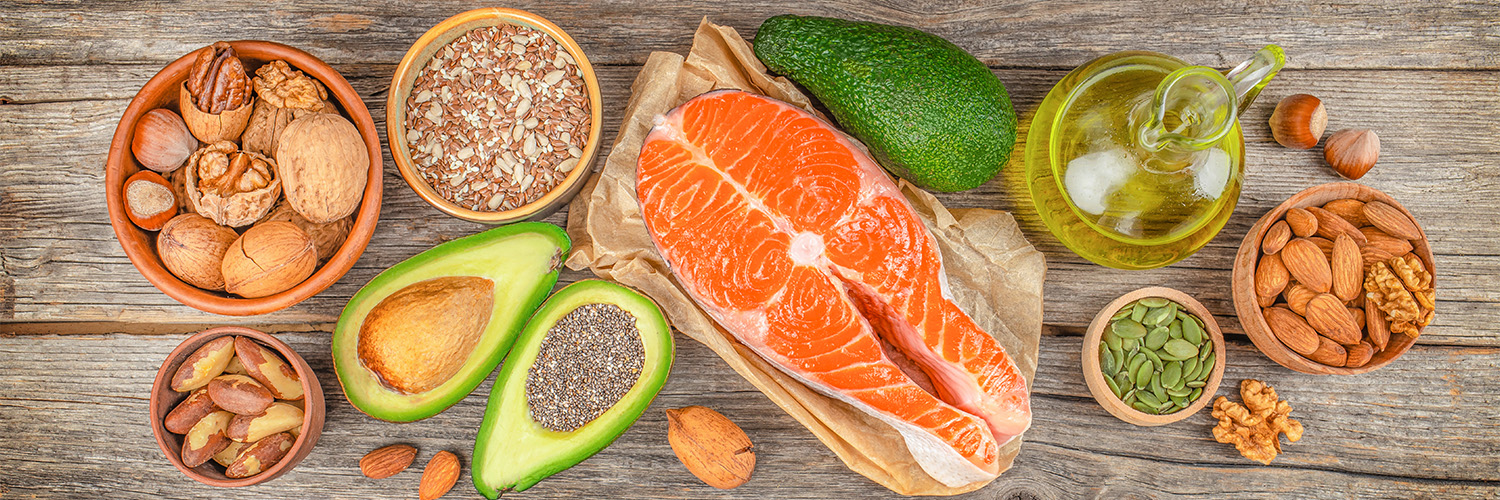
If you have a copy of the gene, you should eat saturated fats sparingly, opting instead for healthy unsaturated fats from plants such as olive oil, avocado oil/avocados, nuts and seeds as your main source of dietary fat.
Dietary habits are complex and influenced by many factors, including lifestyle, physical activity, stress levels and socioeconomic variables. Nonetheless, these findings correlate with what we already know about the metabolic differences associated with the APOE ε4 gene.
As we learn more about the interplay between genetics and nutritional biochemistry, we continue to learn that nutrition is not “one-size-fits-all”. The interaction between diet and genetics is a key factor in determining health outcomes, particularly when it comes to the brain.
As research continues to evolve, personalized nutrition strategies that consider genetic differences may offer a more effective way to support cognitive function and reduce the risk of neurodegenerative disease over time.
Bottom Line:
Healthy amounts of fats are needed in the diet to support brain/nervous system structures, cell membranes structures, vitamin absorption, energy production, energy storage and hormone production.
The types of fats we choose to consume should be high-quality and minimally processed. These provide the best building blocks that your body can use to rebuild itself.
Saturated fats (from animal sources) should be controlled depending on genetics. The presence of one or two copies of the APOE ε4 gene indicates that saturated fats should be avoided most of the time. Unsaturated fats are a better choice for people with the APOE ε4 genotype. See the list of unsaturated fat sources below.
Unsaturated Dietary Fat Guide to Support the Brain
Monounsaturated fats (MUFA) – Monounsaturated fats are stable, heart-friendly, and generally well-tolerated. People with ApoE4 should focus on consuming these types of fats.
Oils
* Extra virgin Olive oil
* Avocado oil
Whole foods
* Avocados
* Olives
Nuts & seeds
* Almonds
* Macadamia nuts
* Hazelnuts
* Pecans
Polyunsaturated Fats Include Omega-3 and Omega-6 fats
Healthy Omega-3 Fats are Anti-Inflammatory and Support Brain Health
Marine sources (EPA/DHA)
* Salmon
* Sardines
* Mackerel
* Anchovies
Plant sources (ALA)
* Chia seeds
* Flaxseeds (ground)
* Hemp seeds
* Walnuts
Omega-6 fats Are Essential Polyunsaturated Fats but Balance Matters
Healthy sources of omega-6 fats:
* Sunflower seeds
* Pumpkin seeds
* Sesame seeds (tahini)
Keep Intake of Omega-6 oils low:
* Sunflower oil
* Safflower oil
* Corn oil
* Soybean oil
Note: Omega-6 fats are essential, but modern diets often contain too much omega-6 relative to omega-3.
Omega -6 rich vegetable and seed oils are refined with chemicals and are known to increase inflammation if they are your main source of dietary fat. These are often used for cooking in restaurants and in commercially prepared food products.
References
- Corder, E. H., Saunders, A. M., Strittmatter, W. J., Schmechel, D. E., Gaskell, P. C., Small, G. W., Roses, A. D., Haines, J. L., & Pericak-Vance, M. A. (1993). Gene dose of apolipoprotein E type 4 allele and the risk of Alzheimer’s disease. Science, 261(5123), 921–923. https://doi.org/10.1126/science.8346443
- Mahley, R. W., & Huang, Y. (2012). Apolipoprotein E sets the stage: Response to injury triggers neuropathology. Neuron, 76(5), 871–885. https://doi.org/10.1016/j.neuron.2012.11.020
- Liu, C. C., Kanekiyo, T., Xu, H., & Bu, G. (2013). Apolipoprotein E and Alzheimer disease: Risk, mechanisms, and therapy. Nature Reviews Neurology, 9(2), 106–118. https://doi.org/10.1038/nrneurol.2012.263
- Yassine, H. N., Finch, C. E., & Schneider, L. S. (2020). APOE, vascular disease, and Alzheimer’s disease: Implications for therapy. Translational Research, 223, 1–13. https://doi.org/10.1016/j.trsl.2020.03.004
- Minihane, A. M., Jofre-Monseny, L., Olano-Martin, E., & Rimbach, G. (2007). ApoE genotype, cardiovascular risk and responsiveness to dietary fat manipulation. Proceedings of the Nutrition Society, 66(2), 183–197. https://doi.org/10.1017/S002966510700544X
- Corella, D., & Ordovás, J. M. (2014). Aging and cardiovascular diseases: The role of gene-diet interactions. Ageing Research Reviews, 18, 53–73. https://doi.org/10.1016/j.arr.2014.08.002
- Kivipelto, M., Ngandu, T., Fratiglioni, L., Viitanen, M., Kåreholt, I., Winblad, B., Helkala, E. L., Tuomilehto, J., Soininen, H., & Nissinen, A. (2005). Obesity and vascular risk factors at midlife and the risk of dementia and Alzheimer disease. Archives of Neurology, 62(10), 1556–1560. https://doi.org/10.1001/archneur.62.10.1556
- Gu, Y., Nieves, J. W., Stern, Y., Luchsinger, J. A., & Scarmeas, N. (2010). Food combination and Alzheimer disease risk: A protective diet. Archives of Neurology, 67(6), 699–706. https://doi.org/10.1001/archneurol.2010.84
- Morris, M. C., Tangney, C. C., Wang, Y., Sacks, F. M., Barnes, L. L., Bennett, D. A., & Aggarwal, N. T. (2015). MIND diet associated with reduced incidence of Alzheimer’s disease. Alzheimer’s & Dementia, 11(9), 1007–1014. https://doi.org/10.1016/j.jalz.2014.11.009
- Calder, P. C. (2015). Marine omega-3 fatty acids and inflammatory processes: Effects, mechanisms and clinical relevance. Biochimica et Biophysica Acta (BBA) – Molecular and Cell Biology of Lipids, 1851(4), 469–484. https://doi.org/10.1016/j.bbalip.2014.08.010
- Freeman, M. P., Hyman, B. T., & Hough, C. J. (2006). Omega-3 fatty acids: Evidence basis for treatment and future research in psychiatry. Journal of Clinical Psychiatry, 67(12), 1954–1967.