
When I talk with a patient about inflammation, I start by asking what they are experiencing—not by starting with a laboratory value, an MRI phrase, or a supplement list. Where is the pain? How long has it been present? Is it burning, aching, tingling, stiff, or sensitive to touch? What makes it better or worse? Is sleep affected? Are fatigue, mood, mobility, digestion, or day-to-day function changing? What medications, supplements, and medical conditions are already part of the picture?
“Inflammation” is a broad word. It can describe a normal healing response, an autoimmune process, vascular risk, chronic pain sensitization, infection, tissue injury, or metabolic stress. It does not automatically tell us which treatment is appropriate. For that reason, I prefer to begin with the symptom or clinical problem we are trying to address and then build a plan around that problem.
Some supplements are marketed as “neuroinflammation” support. Palmitoylethanolamide, or PEA, specialized pro-resolving mediators, or SPMs, and polyphenol blends containing compounds such as curcumin, catechins, resveratrol, baicalin, apigenin, and luteolin may have mechanisms related to inflammatory signaling or resolution pathways. Mechanistic plausibility is not the same as proof that a supplement protects the brain, lowers a specific biomarker, changes an MRI finding, or prevents cognitive decline.
For this reason, I think about this protocol most carefully as a possible symptom-directed support plan, particularly when chronic pain is part of the clinical picture. It should not be presented as a treatment for an elevated GFAP result, “high volume on MRI,” or a general neuroprotection strategy.
The Rezilir Inflammation Support Approach
The currently published protocol includes:
| Product | Published dose and timing | What it contributes |
| Metagenics SPM Active | 1 softgel in the morning and 1 softgel in the evening | Specialized pro-resolving mediators intended to support resolution pathways |
| Bioclinic Naturals PEA | 1 capsule each morning | Palmitoylethanolamide 400 mg |
| Apex Energetics NeuroFlam | 1 capsule daily | Catechins 100 mg, curcuminoids 100 mg, rutin 75 mg, baicalin 60 mg, resveratrol 50 mg, apigenin 30 mg, and luteolin 20 mg |
This list reflects the currently published Fullscript formulation you can see here. It does not mean that the three products should be automatically combined, used for every pain condition, or started without a full review of the patient’s medications, supplements, liver history, allergy history, and bleeding risk.
The current module needs to be rebuilt before routine release. The reason is not that every ingredient is inappropriate. The concern is the original framing: an MRI description such as “high volume” is not a recognized neuroinflammation diagnosis, and plasma GFAP should not be treated as a stand-alone target for supplement treatment.
What we are trying to accomplish
The immediate goal should be clear and measurable. For a patient with chronic pain, that might mean:
- Lower pain intensity or fewer pain flares.
- Better sleep because pain is less disruptive.
- Improved mobility, activity tolerance, or ability to complete daily tasks.
- Less reliance on a particular symptom-relief strategy, when clinically appropriate.
- Improved quality of life without creating medication or supplement complications.
That is different from saying that a supplement “reduces neuroinflammation” in the brain. We do not currently have product-level clinical trial evidence showing that this combination reduces GFAP, changes an MRI-defined neuroinflammation measure, improves cognition, or provides neuroprotection.
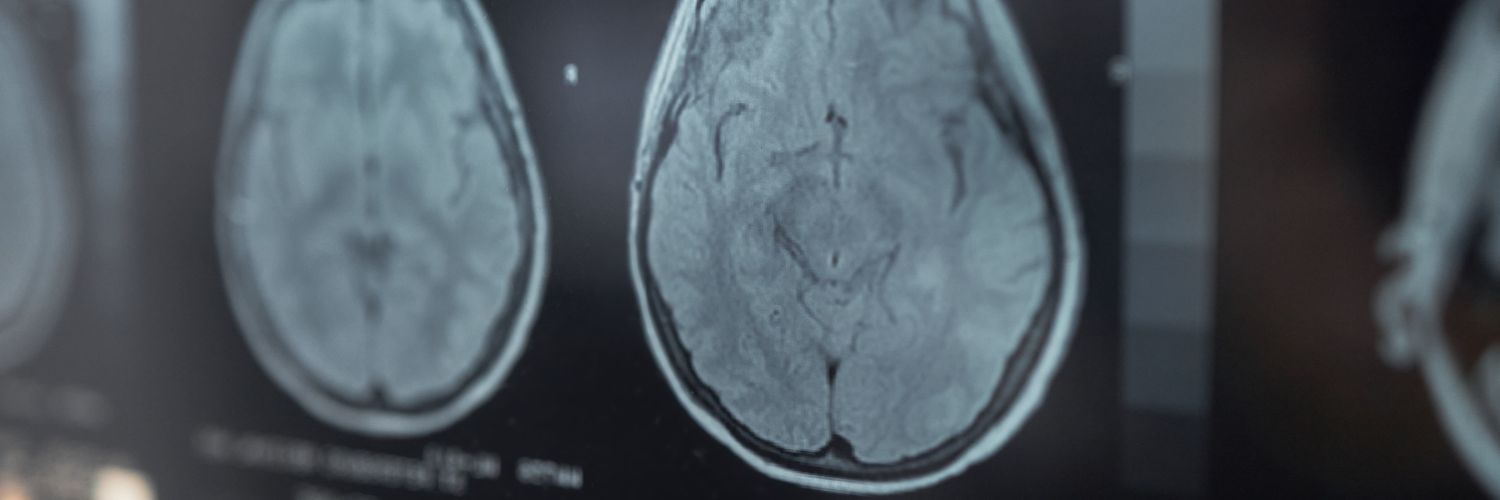
When MRI results are relevant, the report should use standardized structural findings—for example, white-matter-hyperintensity burden, lacunes, microbleeds, or atrophy—rather than an undefined statement such as “high volume.” A meaningful MRI finding deserves clinical interpretation in context, including vascular risk factors, symptoms, neurologic examination, medications, and the reason the scan was ordered.
GFAP, or glial fibrillary acidic protein, is a blood-based biomarker that may be discussed in certain research and clinical contexts. However, it is platform-dependent and cannot be used alone as a direct measure of astrocyte activity or as a target to titrate supplements toward. If inflammation or vascular risk is a concern, a clinician may instead consider the overall clinical evaluation, standardized imaging findings when appropriate, and laboratory markers such as high-sensitivity C-reactive protein or erythrocyte sedimentation rate in the correct clinical context.
What the ingredients may do
PEA is a naturally occurring fatty-acid amide that is being studied for its role in pain signaling and endogenous regulatory pathways. A meta-analysis of 18 randomized controlled trials in chronic pain found improvements in pain and quality-of-life outcomes over studies lasting 6 to 26 weeks. That makes PEA the component in this group with the most relevant evidence when the clinical concern is chronic pain. It does not establish that PEA improves cognition, lowers GFAP, or treats imaging-defined neuroinflammation.
SPMs are lipid mediators involved in pathways related to the resolution of inflammation. This is a biologically interesting area, but the evidence review identified only a small pilot study in knee osteoarthritis for the SPM product considered here. That is adjacent evidence—not proof of benefit for chronic pain broadly, cognitive symptoms, MRI findings, or neuroinflammation.
NeuroFlam contains several polyphenols and flavonoids, including curcuminoids and catechins. Curcumin is widely discussed for inflammation support, and one small 18-month trial of a specific curcumin formulation, Theracurmin, reported signals related to memory and attention. A broader meta-analysis, however, was mixed and included a worse Mini-Mental State Examination trend in people with Alzheimer’s disease. NeuroFlam is not the same delivery formulation studied in that trial, so we cannot assume the same result applies to this blend.
The distinction matters. Research on an ingredient or a different formulation can help explain why a clinician may consider a product, but it does not prove that every blend containing that ingredient will create the same outcome.
The foundation still does the heavy lifting
Supplements can be useful adjuncts, but a chronic-pain or inflammation-support plan should not become a substitute for identifying the drivers of symptoms.
For a person with persistent pain, I want to understand the diagnosis, duration, functional impact, sleep quality, activity pattern, injury history, diet, weight changes, mood, stress level, glucose status, medication use, and whether there are signs of an inflammatory, neurologic, vascular, infectious, or autoimmune condition that requires targeted medical evaluation.
Nutrition may also be part of a broader pain and metabolic-health plan. The basics remain important: a food pattern built around vegetables, fiber-rich foods, adequate protein, healthy fats, and minimally processed foods; regular movement appropriate to the person’s condition; sleep support; stress management; and treatment of diabetes, hypertension, elevated lipids, smoking, and other vascular risks when present.
There is no single “anti-inflammatory” ingredient that replaces those foundations. A capsule should be viewed as one possible part of a larger plan, not as a treatment for every source of pain or as a way to bypass a needed diagnostic workup.
Why overlap matters
One of the most important parts of supplement planning is checking what a patient is already taking. The same ingredient can appear in multiple products, often under different product names.
In this module, SPM Active can duplicate SPM exposure from the Fatty Acids module. NeuroFlam’s curcumin may overlap with products used in Amyloid and Spike protocols. Its catechins may overlap with EGCG or green-tea ingredients in Arterosil. Marine lipids, curcumin, catechins, resveratrol, and vinpocetine-containing products can also add to the overall bleeding-risk picture.
A patient may not recognize an overlap because one label says “turmeric extract,” another says “curcuminoids,” and a third lists a blend containing a similar compound. This is why I recommend bringing every supplement bottle, a Fullscript list, or clear label photographs to the appointment.
The published SPM Active schedule totals two softgels per day, which is label-equivalent. However, if a separate fatty-acid module adds four additional SPM softgels per day, the total exposure changes. PEA at 400 mg once daily is consistent with the product sheet’s allowed range of one capsule one to three times daily, but the correct dose still depends on the clinical reason for use and the rest of the regimen.
Safety comes first
Before adding an inflammation-support supplement, I would review:
- Anticoagulants and antiplatelet medications: Curcumin, catechins, resveratrol, marine-derived lipids, and other ingredients may contribute to bleeding risk when combined with blood-thinning therapies.
- Upcoming procedures: Supplement plans may need to be adjusted before dental work, surgery, injections, or other procedures based on the clinician’s guidance.
- Liver history: Higher total exposure to catechins or curcumin-containing supplements deserves liver-safety consideration.
- Fish or seafood allergy: Marine-derived SPM products may not be appropriate for everyone.
- Pregnancy and nursing: The PEA product sheet notes that safety has not been established during pregnancy or lactation.
- Full medication and supplement list: This is essential for identifying duplicates, bleeding risks, liver considerations, and interactions.
Stop the product and contact your clinician if you develop jaundice, unusual bruising or bleeding, an allergic reaction, dark urine, significant abdominal symptoms, or another concerning change. Elevated liver enzymes—particularly ALT or AST above three times the upper limit of normal—also warrant prompt clinical review rather than continued dosing.
What I monitor
Monitoring should match the reason the supplement is being used. If the goal is chronic-pain support, we might track pain severity, pain interference with daily life, sleep disruption, medication use, mobility, or quality of life. If fatigue is the concern, the plan should use a validated fatigue measure. If cognitive symptoms are being evaluated, the assessment should be guided by the medical team and should not rely on a supplement response as a diagnostic test.
When clinically indicated, monitoring may include high-sensitivity C-reactive protein, liver enzymes such as ALT and AST, bleeding symptoms, and INR for patients whose anticoagulation management requires it. These tests are not a reason to chase a single number. They are pieces of a larger clinical picture.
I would generally reassess the plan after about 8 to 12 weeks. If the intended symptom has not improved, I would not automatically add more anti-inflammatory supplements. Instead, we should step back, review the diagnosis and adherence, reassess overlapping products and potential side effects, and consider whether a different evaluation or treatment approach is needed.
Repeat MRI should be ordered only for a clinical reason and interpreted using standardized reporting. It should not be used simply to monitor a supplement protocol. Similarly, a supplement plan should not be increased or decreased based on a GFAP result alone.
A practical place to begin
If chronic pain or persistent symptoms are part of your care plan, start with a clear question: What symptom are we trying to improve, and how will we know whether the plan is helping?
Bring your complete medication and supplement list to your appointment. Include fish oil, omega-3 products, turmeric, curcumin, green-tea extracts, EGCG, resveratrol, multivitamins, herbal blends, and any product used through another program or clinician.
Then work with your care team to decide:
- Whether PEA is appropriate for your specific pain pattern.
- Whether SPM Active duplicates another fatty-acid or omega-3-related protocol.
- Whether NeuroFlam overlaps with other curcumin, catechin, green-tea, or polyphenol products.
- Whether you have bleeding, liver, allergy, pregnancy/nursing, or procedure-related considerations.
- Which symptom measurement you will use at baseline and at follow-up.
- Whether medical evaluation, physical therapy, sleep treatment, nutrition support, medication adjustment, or another evidence-based intervention should be the priority.
The most appropriate version of this plan is a symptom-directed PEA-focused module for selected patients with chronic pain—not a general “neuroinflammation reduction” protocol and not a treatment for MRI findings, elevated GFAP, cognitive decline, or neurodegenerative disease. Supplements can be considered carefully, but the claims should stay aligned with the evidence we actually have.
Rezilir may offer supplements through its Fullscript dispensary for patients whose individualized clinical plan includes them. Rezilir earns a small margin on supplements purchased through its dispensary; the same products may be available elsewhere.
This article is educational and is not a substitute for individualized medical, nutritional, or neurological advice. Speak with your clinician before starting, stopping, or combining supplements—especially if you take anticoagulant or antiplatelet medication, have liver disease, have a fish or seafood allergy, are pregnant or nursing, or have a procedure scheduled.
References
- Bioclinic Naturals PEA product sheet: https://bioclinicnaturals.com/en-us/wp-content/uploads/sites/5/2023/03/9331_BCNPS_PEA_US.pdf
- Apex Energetics NeuroFlam product information: https://fullscript.com/catalog/products/neuroflam
- STRIVE standards for reporting vascular changes on neuroimaging: https://pubmed.ncbi.nlm.nih.gov/23867200/
- GFAP biomarker caution review: https://pmc.ncbi.nlm.nih.gov/articles/PMC12065376/
- GFAP review: https://pmc.ncbi.nlm.nih.gov/articles/PMC11568389/
- PEA chronic-pain systematic review and meta-analysis: https://pubmed.ncbi.nlm.nih.gov/39798151/
- Theracurmin randomized controlled trial: https://pubmed.ncbi.nlm.nih.gov/29246725/
- Curcumin and cognition meta-analysis: https://pubmed.ncbi.nlm.nih.gov/30575152/
- SPM pilot study in knee osteoarthritis: https://pmc.ncbi.nlm.nih.gov/articles/PMC10308764/
- Alzheimer’s Disease Anti-inflammatory Prevention Trial, ADAPT: https://pubmed.ncbi.nlm.nih.gov/21784351/
- Metagenics SPM Active product information: https://www.metagenics.com/en-us/product/spm-active