
Now that we are well within the Hurricane season, the hot word going around is “El Nino”, So what is it? El Nino is a weather event that refers to rapidly warming waters in the Pacific Ocean. This warming of water in the Pacific directly affects the Atlantic basin by keeping water temperatures cooler than what we usually see and creating wind conditions that are not favorable to hurricane development, which is great news for people on the east and gulf coast! The tradeoff is this leads to a much more active and stormier Fall and Winter.
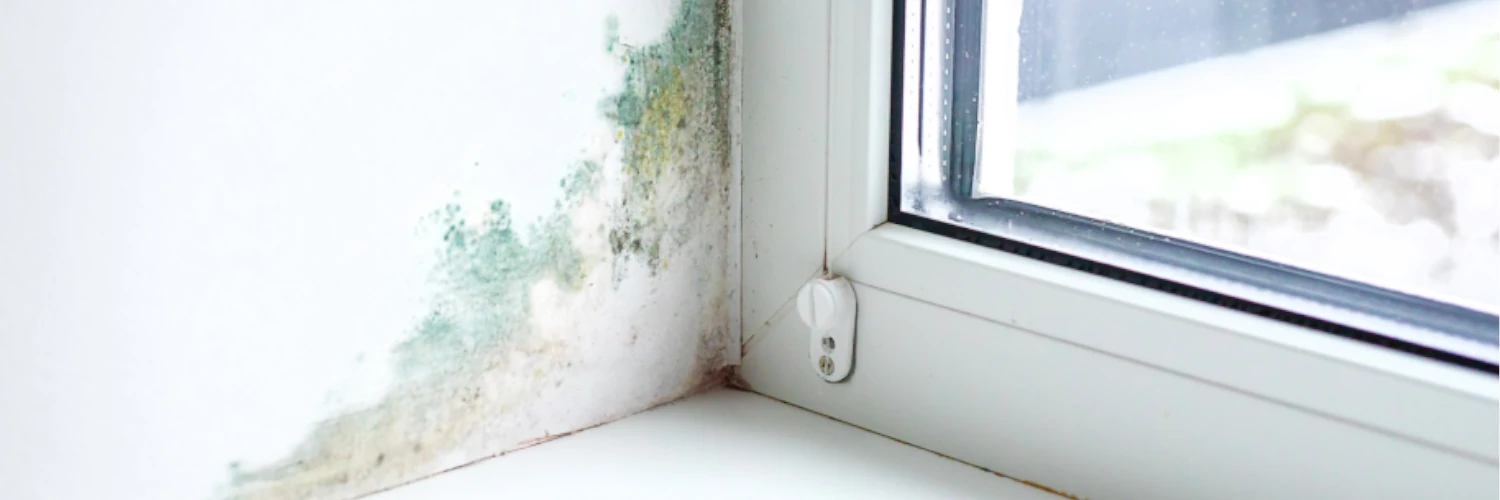
El Nino’s Falls and Winters tend to be much wetter, stormier, and damp in the Southeast United States. Severe weather and flooding can become a real concern when this wet pattern persists for weeks and that could lead to water intrusion into homes and mold growth.
Even though temperatures are cooler during these months, mold is opportunistic and it’s just as important that we stay vigilant with monitoring our home for any water intrusion from roofs, windows, doors, or even from cracked foundations.
Below are some ways you can stay on top of your home during these stormy months coming ahead:
- Check windows and doors! Air and water intrusion can occur when the weather seals that go around the frames of these areas become damaged or completely broken. Just doing a quick visual inspection of the weather stripping can give you an idea of whether an issue could occur from water intrusion. Make sure to check windows or porch doors upstairs as well. Driving winds can force water into areas that may not normally be an area you would expect.
- If you have a garage, be sure to check the door seal as well. Again, any area of missing or damaged seal could lead to water intrusion and eventually water damage and mold.
- Consider the last time you had your roof replaced or inspected. If it’s been a few years since you’ve had a roof inspection, it may be time to have someone come out to make sure any damaged or missing elements are replaced/repaired. A small issue could lead to a much greater one if heavy rain/winds are able to get into the building envelope.
- Basements can be in issue if your part of the country has them. Saturated ground water has to drain somewhere and constant erosion on building materials can lead to water intrusion. If you have a basement, consider investing in a sump pump if you don’t already have one. This can help limit water damage in your basement, just make sure that the pump is free of debris and working properly before a storm.
- Visually inspect your foundation. Some homes lack any down spouts or gutter system. This can allow water to sheet off of the roof and erode the ground right at the foundation of our homes. Water can eat away and get under the house and use building materials to well upwards and cause issues. Any cracks or breaks in building material can lead to water intrusion. Any erosion of soil should be addressed to prevent further damage being done. If your home has gutters, cleaning them free of debris will help your home clear the storm water more efficiently and away from your home.
You can stay on top of the situation by monitoring your home and preparing now. Small things are much easier to address before they become big issues! Mold can grow in the right circumstances in as little as 24-48 hours. Prevention and identifying possible water intrusion points is the best way to protect your home and health.