
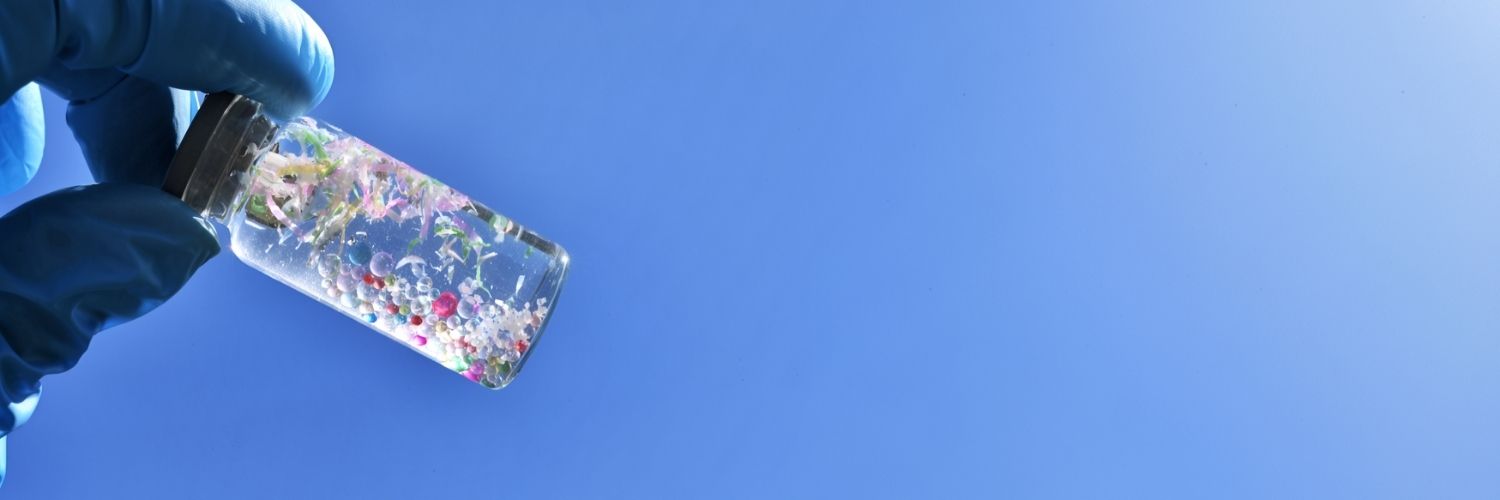
We live in a world surrounded by plastic. Tiny plastic particles are now found throughout our environment—in the air we breathe, the water we drink, the food we eat, household dust, synthetic fabrics, food packaging, and many everyday products. These particles are known as microplastics and nanoplastics, and scientists are increasingly finding them inside the human body.
The question that deserves our attention is no longer simply, Are we exposed to plastics?
We know that we are.
The more important question is: What happens when these particles enter our tissues, including the brain?
The science is still developing, and we should be careful not to overstate what is known. Microplastics have not been proven to cause Alzheimer’s disease or dementia. However, the emerging evidence is significant enough that reducing unnecessary exposure is a reasonable part of a long-term strategy for protecting health.
What Are Microplastics and Nanoplastics?
Microplastics are generally defined as plastic particles smaller than 5 millimeters. They can form when larger plastic products break down, but they are also released directly from products and processes such as synthetic textiles, food packaging, plastic bottles, tire wear, and other sources.
Nanoplastics are even smaller particles, generally measuring less than 1 micrometer (1,000 nanometers). Their extremely small size matters. As particles become smaller, they may interact differently with cells and biological barriers. Experimental research suggests that some nanoplastics can cross biological barriers, enter cells, and potentially reach organs throughout the body.This has become particularly important in neurological research because of the possibility that very small plastic particles can reach the brain.
Are Microplastics Really Found in the Human Brain?
Yes—and this is one of the most important developments in the research.
In 2025, researchers reported detecting microplastics and nanoplastics in human brain tissue obtained at autopsy. The particles were identified using several analytical techniques, including pyrolysis gas chromatography–mass spectrometry and electron microscopy. The researchers reported higher concentrations in brain tissue than in some other organs examined. They also observed increasing concentrations in samples collected in more recent years.
However, this study needs to be interpreted carefully.
The presence of plastic particles in the brain does not prove that the particles caused dementia or other neurological disease. In fact, the researchers themselves noted that the study could not establish causation.
There is also ongoing scientific debate about the technical challenges involved in measuring extremely small plastic particles in human tissue. A subsequent 2025 Nature Medicine commentary highlighted concerns regarding contamination controls and analytical validation in some of the early brain research.
Then, in 2026, another important study provided additional evidence. Researchers analyzed 156 brain samples from 113 patients with brain tumors and 35 healthy brain samples from five postmortem donors. Microplastics and nanoplastics were detected in virtually all the samples examined, including the healthy human brain tissue. The concentrations were higher in tissue surrounding brain tumors, and the investigators found a correlation between plastic surface area and tumor proliferation. Importantly, the study demonstrated presence and associations—it did not establish that plastics cause brain tumors.
Taken together, these studies make one thing increasingly clear: Plastic particles can reach human brain tissue. What they do once they are there—and whether they contribute meaningfully to neurological disease—is still being investigated.
How Could Microplastics Affect the Brain?
Laboratory and animal research has identified several mechanisms that are biologically concerning.
1. Neuroinflammation
The brain contains immune cells called microglia that help monitor and protect the nervous system.
Experimental studies suggest that micro- and nanoplastics can activate inflammatory pathways and alter microglial activity. Chronic neuroinflammation is associated with many neurological disorders and with the aging process itself.
However, it is important to distinguish between an observed biological mechanism and a proven human disease pathway.
2. Oxidative Stress
Micro- and nanoplastics have also been associated with increased production of reactive oxygen species and oxidative stress in laboratory and animal studies. Oxidative stress can affect cellular membranes, proteins, DNA, and mitochondria. Because neurons have extraordinarily high energy demands, mitochondrial dysfunction and oxidative stress are particularly relevant to brain health.
3. Blood-Brain Barrier Effects
The blood-brain barrier is a highly specialized protective system that controls what enters the brain from the bloodstream. Experimental studies suggest that some nanoplastics may cross or alter this barrier. This is one reason researchers are particularly interested in the smallest plastic particles. The 2026 human brain study also raises the possibility that differences in blood-brain barrier integrity may influence how particles accumulate in different brain tissues.
4. Mitochondrial and Cellular Dysfunction
Laboratory research has identified potential effects on mitochondrial function, cellular membranes, signaling pathways, and neuronal communication. These mechanisms are important because healthy mitochondria are essential for maintaining brain energy production.
5. Protein Aggregation
Another area of interest is whether nanoplastics can influence abnormal protein aggregation. Researchers are investigating possible interactions with proteins involved in neurodegenerative diseases, including beta-amyloid, tau, and alpha-synuclein.
These findings are intriguing, but much of this research remains laboratory- or animal-based. We do not yet have sufficient evidence to say that exposure to microplastics causes amyloid plaques or tau pathology in humans.
Where Are We Being Exposed?
Exposure is difficult to avoid completely because plastics are so pervasive.
Potential sources include:
- Plastic food and beverage containers
- Bottled water
- Food packaging
- Take-out containers
- Heating food in plastic
- Synthetic clothing such as polyester, nylon, and fleece
- Household dust
- Synthetic carpets and furnishings
- Tire and road wear
- Seafood and other foods
- Some personal-care products
- Plastic tea bags and beverage components
Exposure occurs primarily through ingestion and inhalation, although dermal exposure is also being investigated.
Can the Body Get Rid of Microplastics?
This is one of the most important unanswered questions. Some larger particles can pass through the gastrointestinal tract and be eliminated in stool. Smaller particles may behave differently, and researchers are still trying to understand how long different types of particles remain in tissues.
At this time, there is no scientifically validated medical treatment proven to remove microplastics or nanoplastics from the human brain. This distinction is important because there are many products marketed online as “plastic detox” treatments. We should be cautious about these claims.
There is currently no high-quality human evidence showing that a particular supplement, cleanse, sauna, chelation protocol, or other detoxification treatment removes nanoplastics from the brain.
What Can We Do Now?
Although we cannot completely eliminate exposure, we can reduce unnecessary exposure. Reduce Plastic Contact With Food and Beverages One of the simplest strategies is to reduce direct contact between plastic and food.
Consider Food Storage
- Using glass or stainless-steel containers for food storage
- Using ceramic or glass dishes for hot foods
- Avoiding heating food in plastic whenever possible
- Avoiding leaving bottled water or food containers in hot environments
- Using stainless-steel or glass water bottles
- Choosing wooden or other nonplastic cutting boards
- Reducing reliance on heavily packaged foods
Heating plastic can increase the release of particles and chemicals, so avoiding unnecessary heat exposure is a particularly reasonable precaution.
Pay Attention to Indoor Air and Dust
Microplastic fibers can become part of household dust. Regular cleaning can help reduce accumulated dust, particularly in homes with significant amounts of synthetic carpeting, upholstery, and textiles. A HEPA-filtered vacuum or air purifier may help reduce airborne particulate matter, although the effectiveness of individual devices specifically for microplastic exposure varies.
Choose Natural Fibers When Practical
Synthetic textiles such as polyester, nylon, and fleece can shed plastic fibers. Choosing cotton, linen, wool, or other natural fibers when practical may reduce one source of household microplastic exposure.This does not mean that synthetic clothing must be eliminated. The goal is to reduce unnecessary exposure rather than achieve the impossible goal of zero exposure.
Consider Water Quality
Microplastics have been detected in both bottled and tap water. Filtration can reduce particulate contaminants, although effectiveness varies considerably by filtration technology and particle size. Reverse-osmosis systems can provide substantial particle removal, while other filtration systems have different capabilities.
A 2026 study conducted in Bangladesh found that boiling reduced measured microplastic concentrations by more than 70% under the conditions studied. The reduction appeared to occur primarily through settling associated with water hardness rather than destruction of the plastic particles. The researchers recommended allowing the water to settle and gently decanting the clear portion.
This is an interesting finding, but it should not be interpreted as proof that boiling all drinking water universally removes 70% or more of microplastics.
What About Diet and Supplements?
This is where we need to be especially careful. There is good reason to support the body’s normal antioxidant, metabolic, gastrointestinal, and inflammatory defenses. A nutrient-dense diet rich in plants, fiber, omega-3 fatty acids, and other phytonutrients supports overall health and brain resilience. However, these interventions have not been proven to remove microplastics from the human brain.
Research is exploring whether compounds such as sulforaphane, curcumin, omega-3 fatty acids, NAC, and other antioxidants may reduce oxidative stress or inflammation associated with environmental exposures.
That is very different from saying they “detox plastics.”
A more scientifically responsible approach is to view these nutrients as supportive of normal cellular defense mechanisms, rather than as plastic-removal agents.
Protecting Brain Health Still Comes Down to the Fundamentals
Even as researchers investigate this emerging environmental threat, the fundamentals of brain health remain important.
Regular physical activity, adequate sleep, a nutrient-dense dietary pattern, cardiovascular health, metabolic health, social engagement, and avoidance of known neurotoxic exposures all contribute to long-term brain resilience.
Sleep is also important. During sleep, the brain’s glymphatic system participates in the clearance of metabolic waste. There is currently no evidence that the glymphatic system specifically removes nanoplastics, but optimizing sleep remains an important component of overall brain health.
Microplastics and nanoplastics are no longer simply an environmental issue.
They have now been detected in multiple human tissues—including the brain—and researchers are working to determine what that means for long-term health. Exposure is widespread, the smallest particles can reach human tissues, experimental studies demonstrate mechanisms that could potentially affect neurological health, and human research is rapidly evolving.
Reducing unnecessary exposure a reasonable and low-risk strategy.
We don’t need to live in fear of plastic.
But we can make smarter choices.
Using glass instead of plastic for hot food, reducing unnecessary single-use plastics, improving indoor dust control, choosing less plastic-intensive food and beverage storage, and maintaining a nutrient-dense lifestyle are practical steps that make sense while the science continues to develop.The overall goal is to reduce unnecessary exposure while supporting the systems that keep the body and brain resilient.
References
Araújo, A. M., Mota, C., Ramos, H., Faria, M. A., Carvalho, M., & Ferreira, I. M. P. L. V. O. (2025). The neurotoxic threat of micro- and nanoplastics: Evidence from in vitro and in vivo models. Archives of Toxicology, 99(9), 3505–3525. https://doi.org/10.1007/s00204-025-04091-3
Bhattacharyya, S., Greer, M. L., & Salehi, M. (2025). Impact of micro- and nanoplastics exposure on human health: Focus on neurological effects from ingestion. Frontiers in Public Health, 13, 1681776. https://doi.org/10.3389/fpubh.2025.1681776
Lamoree, M. H., van Boxel, J., Nardella, F., Houthuijs, K. J., Brandsma, S. H., Béen, F., & van Duursen, M. B. M. (2025). Health impacts of microplastic and nanoplastic exposure. Nature Medicine, 31, 2873–2887. https://doi.org/10.1038/s41591-025-03902-5
Liu, S., He, Y., Yin, J., Zhu, Q., Liao, C., & Jiang, G. (2024). Neurotoxicities induced by micro/nanoplastics: A review focusing on the risks of neurological diseases. Journal of Hazardous Materials, 469, 134054. https://doi.org/10.1016/j.jhazmat.2024.134054
Mahalingaiah, S., Nadeau, K. C., & Christiani, D. C. (2025). Microplastics and human health. JAMA, 334(21), 1941–1942. https://doi.org/10.1001/jama.2025.14718
Marfella, R., Prattichizzo, F., Sardu, C., et al. (2024). Microplastics and nanoplastics in atheromas and cardiovascular events. New England Journal of Medicine, 390(10), 900–910. https://doi.org/10.1056/NEJMoa2309822
Nihart, A. J., Garcia, M. A., El Hayek, E., Liu, R., Olewine, M., Kingston, J. D., Castillo, E. F., Gullapalli, R. R., Campen, M. J., & colleagues. (2025). Bioaccumulation of microplastics in decedent human brains. Nature Medicine, 31(4), 1114–1119. https://doi.org/10.1038/s41591-024-03453-1
Nupur, R. I., Firoz, A. B., Al Harun, M. A. Y., & Bahar, M. M. (2026). Microplastics in potable water of a coastal city of Bangladesh: Efficacy of boiling as a point-of-use mitigation strategy. Science of the Total Environment, 1027, 181679. https://doi.org/10.1016/j.scitotenv.2026.181679