
10 Reasons Why Your Daily Cocktail May Be Causing You to Age Faster
Many people enjoy drinking alcohol to relax, enjoy a night out, manage stress, or as a social lubricant at parties. Using alcohol on occasion or in small amounts usually does not cause detrimental health effects in most people but, many people use alcohol more consistently and have developed a pattern of habitual use. Rates of alcohol use increased during the COVID pandemic. Some people continued drinking more alcohol more often after the pandemic was over. We know that drinking alcohol in moderation or abstaining from it is better for our health and knowing how alcohol affects your body can be motivation to cut down if you drink heavily.
What is heavy drinking?
The patterns below are considered “heavy” drinking, which greatly increases the likelihood of alcohol use disorder (AUD) and other alcohol-related health problems.
- For women—4 or more drinks on any day or 8 or more per week
- For men—5 or more drinks on any day or 15 or more per week
Heavy drinking thresholds for women are lower because alcohol distributes itself evenly in body water, and pound for pound, women have proportionally less water in their bodies than men do. This means that after a woman and a man of the same weight drink the same amount of alcohol, the woman’s blood alcohol concentration will tend to be higher, putting her at greater risk for harm. These guidelines were adapted from the National Institute on Alcohol Abuse and Alcoholism website www.niaaa.nih.gov.
Effects of Alcohol on the Body
When most people think about the health effects of alcohol, they think about the liver. The liver is certainly one of the organs most affected by long-term alcohol use. But alcohol can affect much more than the liver.
Over time, regular alcohol consumption can affect your brain, sleep, skin, digestion, energy levels, and nutritional status. Most of these effects happen even before someone develops obvious liver disease. The good news is that the body has an impressive ability to recover. When alcohol intake is reduced or stopped, many alcohol-related changes can improve—sometimes substantially.
The effects of alcohol depend on how much a person drinks, how often they drink, how long they have been drinking, their genetics, diet, age, sex, medications, and overall health. The most serious problems are generally associated with chronic heavy drinking.
Alcohol affects multiple body systems in negative ways. Some of these effects may be more subtle and people do not see the impacts of chronic alcohol use until the damage is extensive enough to cause nutrient deficiencies and organ damage.
1. Alcohol Can Change the Way Your Brain Works
Alcohol directly affects the brain and is considered a neurotoxin. You may notice this immediately after drinking: alcohol can make you feel relaxed, less inhibited, sleepy, or temporarily less anxious. With regular heavy alcohol exposure, however, the brain has to continually adapt to alcohol’s effects. Over time, this can contribute to problems with:
- memory
- concentration
- attention
- motivation
- decision-making
- emotional regulation/mood
- coordination
- reaction time
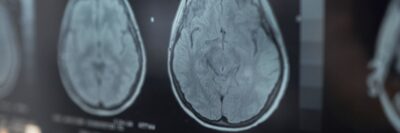
Brain-imaging studies have also found changes in brain volume and the brain’s white matter in people with long-term heavy alcohol use. The areas involved in planning, decision-making, memory, and coordination can be particularly vulnerable. Importantly, this doesn’t mean that everyone who drinks regularly will develop permanent brain damage but they may notice signs that their brain and mental health are negatively affected.
Studies using brain imaging have found that some of the changes associated with chronic alcohol use can improve after a person stops drinking. Recovery can begin within months, although the amount and speed of recovery vary from person to person.
Alcohol can interfere with brain signaling, increase inflammation, increase oxidative stress, interfere with the brain’s energy production, disrupt sleep, contribute to vitamin deficiencies and damage nerve cells with prolonged heavy exposure. This combination can make it difficult to separate the effects of alcohol itself from the effects of poor sleep and poor nutrition that often accompany heavy drinking.
2. Chronic Alcohol Use Can Cause Serious Vitamin B1 Deficiency
One of the most important nutritional problems associated with chronic heavy drinking is thiamine/Vitamin B1 deficiency. Your brain and other cells in the body need thiamine to turn food into energy.
Alcohol can make thiamine deficiency more likely because it can reduce appetite, replace nutritious foods in the diet, interfere with absorption of thiamine and interfere with how the body stores and uses thiamine. Severe thiamine deficiency can cause a serious neurological condition called Wernicke encephalopathy.
Symptoms of Wernicke Encephalopathy can include:
- confusion
- difficulty walking
- poor coordination
- abnormal eye movements
If severe deficiency continues, it can cause permanent memory problems known as Korsakoff syndrome. This is one reason healthcare providers take nutrition particularly seriously in people who have been drinking heavily for a long time.
3. Alcohol Can Deplete Many Important Nutrients
One of the most overlooked effects of chronic alcohol consumption is poor nutritional status. This doesn’t necessarily mean someone isn’t eating enough calories. Alcohol contains about 7 calories per gram but is often labeled as “empty calories” because these calories lack vitamins, minerals, and other nutrients our body needs to function properly. Someone can therefore consume a significant number of calories from alcohol but become malnourished. Alcohol can also interfere with the body’s ability to absorb, store, and use certain nutrients, even if consuming nutritious food.
Nutrients that can be affected include:
- vitamin B1 (thiamine)
- folate
- vitamin B6
- vitamin B12
- magnesium
- zinc
- selenium
- vitamin D
- calcium
- phosphorus
- potassium
Important Nutrients Depleted by Chronic Alcohol Use
Magnesium
Magnesium deficiency can occur in people with chronic heavy alcohol consumption. Magnesium is used in the liver to metabolize alcohol and chronic alcohol use can deplete this important mineral.
Low magnesium can contribute to:
- muscle cramps
- weakness
- tremor
- fatigue
- abnormal heart rhythms
- nervous-system symptoms
- depressed mood
- high blood pressure
Magnesium status can also be affected by poor dietary intake and increased losses.This is one reason electrolyte abnormalities are important to check in someone with significant alcohol use.
Folate and Other B Vitamins
Alcohol can interfere with folate metabolism and can contribute to folate deficiency.
Folate is important for:
- making DNA
- producing red blood cells
- nervous-system function
- methylation reactions
Deficiency can contribute to anemia and elevated homocysteine levels. Alcohol can also interfere with vitamin B6 metabolism. Together, these nutritional problems can add to the fatigue, weakness, cognitive problems, and neurological symptoms that some people experience with chronic alcohol use
Zinc
Alcohol can have a fairly direct adverse effect on zinc status. These include Reduced dietary intake because Alcohol can displace protein- and micronutrient-rich foods from the diet, reduced intestinal zinc absorption, altered zinc transport, increased tissue loss, and changes in Zinc levels due to liver disease
Zinc deficiency is particularly relevant because zinc is involved in antioxidant defense, immune function, intestinal barrier integrity, DNA/protein synthesis, and neurotransmission.
Calcium and Vitamin D
Both of these nutrients have been found to be low in people who drink excessive alcohol. Alcohol can impair osteoblast function (cells that make bone tissue) and bone formation while also affecting vitamin D function and calcium absorption. This contributes to osteopenia, osteoporosis, reduced bone mineral density, and increased fracture risk in chronic heavy drinkers. If you have been diagnosed with osteopenia or osteoporosis, drinking alcohol may be contributing to bone loss.
Iron
Alcohol can affect iron metabolism, but this doesn’t mean that everyone who drinks heavily is iron deficient. Some people develop iron deficiency, particularly if they have poor nutrition or gastrointestinal bleeding. Others with alcohol-associated liver disease may have elevated iron levels or abnormal iron storage. Iron should generally be tested rather than supplemented automatically.
4. Alcohol and Your Liver
The liver is responsible for processing most of the alcohol you drink. During this process, alcohol is converted into other substances, including acetaldehyde, which is highly reactive and can damage cells. Alcohol can also increase inflammation and oxidative stress inside the liver. Over time, liver damage can progress through several stages:
Stage 1 – Fat accumulation around the liver
Stage 2- Liver inflammation
Stage 3- Scarring or fibrosis of the liver
Stage 4- Cirrhosis and liver failure
Fat Accumulation in the Liver
Not everyone progresses through all of these stages of liver disease but, hepatic steatosis or “fatty liver” is a common side effect seen in people who consume excessive alcohol. Fatty liver is one of the earliest changes caused by excessive alcohol consumption and is caused by the accumulation of fat inside liver cells.
Fatty liver may cause few or no symptoms, so someone can have significant liver changes without realizing it. The good news is that alcohol-related fatty liver can often improve substantially when alcohol consumption is reduced or stopped.
Liver inflammation
Continued heavy drinking can cause inflammation and injury to liver cells. In some people this develops into alcohol-associated hepatitis, which can be severe and potentially life-threatening.
Liver scarring
Repeated liver injury can cause scar tissue to build up. This is called fibrosis. Once enough scar tissue develops, the liver can become permanently damaged. Advanced scarring is called cirrhosis. Alcohol-associated liver disease also increases the risk of liver cancer.
Cirrhosis can eventually interfere with the liver’s ability to:
- process toxins
- make proteins
- regulate blood clotting
- process medications
- regulate nutrients
- control fluid balance
5. Your Gut and Liver Are Connected
Alcohol doesn’t affect the liver by itself. The intestines and liver communicate constantly through what is sometimes called the gut-liver connection.
Chronic alcohol exposure can cause intestinal dysbiosis by altering the bacteria living in the intestines and making the intestinal lining more permeable or “leaky gut”. When the gut barrier is compromised, it allows bacterial products to enter the bloodstream from the intestine to the liver. The liver’s immune cells can then react to these substances, increasing inflammation. This is one reason chronic alcohol consumption can create inflammation throughout the body.
This is one of the most confusing effects of alcohol. Many people notice that alcohol makes them sleepy. Alcohol can make it easier to fall asleep initially, but falling asleep faster doesn’t necessarily mean you’re getting better sleep. Alcohol changes the normal pattern of sleep throughout the night. After the initial sedating effects wear off, sleep can become more fragmented causing a reduction in deep and/or REM sleep.
Alcohol consumption close to bedtime causes:
- broken sleep with frequent waking up
- lighter sleep
- earlier wake time
- less restorative sleep
- experience changes in REM sleep
This is one reason someone might say: “I fall asleep easily after a few drinks, but I always wake up around 2 or 3 in the morning.” The alcohol may have helped you fall asleep while simultaneously making it harder to maintain good-quality sleep.
Alcohol Can Reduce REM Sleep
REM sleep is the stage of sleep associated with dreaming and is important for memory and emotional processing. Research shows that alcohol can delay the onset of REM sleep and reduce the amount of REM sleep you get. This effect can occur even with relatively modest amounts of alcohol, although it generally becomes more pronounced as alcohol consumption increases.
Over time, repeatedly disrupting sleep can contribute to:
- daytime fatigue
- poor concentration
- memory problems
- irritability
- reduced stress tolerance
- difficulty regulating emotions
- poor nutrition and weight gain
7. Alcohol Can Make Sleep Apnea Worse
Alcohol can relax the muscles in the upper airway which makes breathing problems during sleep worse. For people who are prone to sleep apnea, Alcohol may increase:
- snoring
- pauses in breathing
- drops in oxygen
- nighttime awakenings
If someone drinks regularly and also snores loudly, wakes up choking or gasping, or feels exhausted despite spending enough time in bed, it is worth considering whether sleep apnea could be part of the problem.
8. Alcohol Can Affect Your Skin
This side effect of alcohol consumption will resonate with women and men who want to look their best and age gracefully. The skin can sometimes provide clues about what is happening inside the body and is often a window to nutrition, sleep, and lifestyle habits.
Alcohol causes blood vessels to widen, which can produce facial flushing and redness.For people who already have rosacea, alcohol can also be a common trigger for flushing making rosacea worse.
Long-term heavy alcohol use can also affect the skin through:
- inflammation
- oxidative stress
- nutritional deficiencies
- impaired immune function
- poor sleep
- changes associated with liver disease
- dehydration
These factors can affect the skin’s ability to repair itself and maintain a healthy barrier causing the skin to look dull, make wrinkles look more prominent and make skin look older than it should. Alcohol reduces collagen production, skin hydration, and the skin’s ability to repair daily damage. Other factors that affect skin aging include sun exposure, smoking, sleep, nutrition, genetics, and metabolic health.
9. Alcohol and Psoriasis
Research has found an association between heavy alcohol consumption and psoriasis. Alcohol may influence inflammatory pathways involved in psoriasis and may make the disease more difficult to control in some people. For someone with psoriasis, reducing alcohol may therefore be helpful as part of a broader strategy for managing inflammation. This doesn’t mean that alcohol is the sole cause of psoriasis. Genetics and the immune system play major roles. Alcohol often makes inflammatory conditions worse which is why it is an easy thing to modify when managing any diagnosis.
10. Alcohol Negatively Impacts Energy Levels, Motivation and Mood
The combination of alcohol, poor sleep, nutritional deficiencies, inflammation, and liver dysfunction can leave someone feeling chronically tired and experiencing changes in their mood such as feeling down, more irritable, and less resilient to stress.
People may notice:
- low energy
- difficulty concentrating
- “brain fog”
- poor motivation
- reduced exercise tolerance and motivation to exercise
- irritability
- difficulty getting going in the morning
These symptoms don’t necessarily mean that alcohol is the only cause. Thyroid problems, anemia, sleep apnea, depression, nutritional deficiencies, medication effects, and many other conditions can produce similar symptoms.
Since chronic alcohol exposure can contribute to several of these problems at the same time, reducing alcohol intake can be the first change that may help improve these symptoms while looking for other root causes.
What Happens to Your Body When You Reduce or Stop Drinking?
This is where the story becomes much more encouraging. The body has a remarkable ability to recover. Even the liver can begin repairing itself when the source of injury is removed. When alcohol is minimized or eliminated, fat accumulation around the liver can be reduced, inflammation in the body is decreased, nutrient levels can improve and sleep will improve which usually creates a domino effect positively affecting your overall health. Research shows that some alcohol-related changes in the brain can partially reverse during sustained abstinence.
Alcohol withdrawal can potentially be Life-Threatening in People with Alcohol Use Disorder.
If someone has been drinking heavily every day or has previously experienced alcohol withdrawal, stopping suddenly can be dangerous. Alcohol withdrawal can cause seizures, severe agitation, hallucinations, and a potentially life-threatening condition called delirium tremens.
Anyone with substantial daily alcohol consumption should talk with a healthcare professional about a safe plan for reducing or stopping alcohol rather than attempting abrupt withdrawal without medical guidance.
References
- Barbosa, C., Dowd, W. N., Barnosky, A., & Karriker-Jaffe, K. J. (2023). Alcohol consumption during the first year of the COVID-19 pandemic in the United States: Results from a nationally representative longitudinal survey. Journal of Addiction Medicine, 17(1), e11–e17. https://doi.org/10.1097/ADM.0000000000001018. PMID: 35861345.
- Wolfe, M., Menon, A., Oto, M., Fullerton, N. E., & Leach, J.-P. (2023). Alcohol and the central nervous system. Practical Neurology, 23(4), 273–285. https://doi.org/10.1136/pn-2023-003817. PMID: 37328277.
- Bühler, M., & Mann, K. (2011). Alcohol and the human brain: A systematic review of different neuroimaging methods. Alcoholism: Clinical and Experimental Research, 35(10), 1771–1793. https://doi.org/10.1111/j.1530-0277.2011.01540.x. PMID: 21777260.
- Rosenbloom, M. J., & Pfefferbaum, A. (2008). Magnetic resonance imaging of the living brain: Evidence for brain degeneration among alcoholics and recovery with abstinence. Alcohol Research & Health, 31(4), 362–376. PMID: 23584010.
- Parvaz, M. A., Rabin, R. A., Adams, F., & Goldstein, R. Z. (2022). Structural and functional brain recovery in individuals with substance use disorders during abstinence: A review of longitudinal neuroimaging studies. Drug and Alcohol Dependence, 232, 109319. https://doi.org/10.1016/j.drugalcdep.2022.109319. PMID: 35077955.
- Powell, A., Sumnall, H., Smith, J., Kuiper, R., & Montgomery, C. (2024). Recovery of neuropsychological function following abstinence from alcohol in adults diagnosed with an alcohol use disorder: Systematic review of longitudinal studies. PLOS ONE, 19(1), e0296043. https://doi.org/10.1371/journal.pone.0296043. PMID: 38166127.
- Davis, B. C., & Bajaj, J. S. (2018). Effects of alcohol on the brain in cirrhosis: Beyond hepatic encephalopathy. Alcoholism: Clinical and Experimental Research, 42(4), 660–667. https://doi.org/10.1111/acer.13605. PMID: 29417604.
- Chen, M., Zhong, W., & Xu, W. (2023). Alcohol and the mechanisms of liver disease. Journal of Gastroenterology and Hepatology, 38(8), 1233–1240. https://doi.org/10.1111/jgh.16282. PMID: 37423758.
- Mello, T., Ceni, E., Surrenti, C., & Galli, A. (2008). Alcohol induced hepatic fibrosis: Role of acetaldehyde. Molecular Aspects of Medicine, 29(1–2), 17–21. https://doi.org/10.1016/j.mam.2007.10.001. PMID: 18164754.
- Wang, H. J., Gao, B., Zakhari, S., & Nagy, L. E. (2012). Inflammation in alcoholic liver disease. Annual Review of Nutrition, 32, 343–368. https://doi.org/10.1146/annurev-nutr-072610-145138. PMID: 22524187.
- Thomes, P. G., Rasineni, K., Saraswathi, V., Kharbanda, K. K., Clemens, D. L., Sweeney, S. A., Kubik, J. L., Donohue, T. M., Jr., & Casey, C. A. (2021). Natural recovery by the liver and other organs after chronic alcohol use. Alcohol Research: Current Reviews, 41(1), Article 05. https://doi.org/10.35946/arcr.v41.1.05. PMID: 33868869.
- Gardiner, C., Weakley, J., Burke, L. M., Roach, G. D., Sargent, C., Maniar, N., Huynh, M., Miller, D. J., Townshend, A., & Halson, S. L. (2025). The effect of alcohol on subsequent sleep in healthy adults: A systematic review and meta-analysis. Sleep Medicine Reviews, 80, 102030. https://doi.org/10.1016/j.smrv.2024.102030. PMID: 39631226.
- Colrain, I. M., Nicholas, C. L., & Baker, F. C. (2014). Alcohol and the sleeping brain. Handbook of Clinical Neurology, 125, 415–431. https://doi.org/10.1016/B978-0-444-62619-6.00024-0. PMID: 25307588.
- Thakkar, M. M., Sharma, R., & Sahota, P. (2015). Alcohol disrupts sleep homeostasis. Alcohol, 49(4), 299–310. https://doi.org/10.1016/j.alcohol.2014.07.019. PMID: 25499829.
- Burgos-Sanchez, C., Jones, N. N., Avillion, M., Gibson, S. J., Patel, J. A., Neighbors, J., Zaghi, S., & Camacho, M. (2020). Impact of alcohol consumption on snoring and sleep apnea: A systematic review and meta-analysis. Otolaryngology–Head and Neck Surgery, 163(6), 1078–1086. https://doi.org/10.1177/0194599820931087. PMID: 32513091.
- Liu, L., & Chen, J. (2023). Advances in relationship between alcohol consumption and skin diseases. Clinical, Cosmetic and Investigational Dermatology, 16, 3785–3791. https://doi.org/10.2147/CCID.S443128. PMID: 38169933.
- Brenaut, E., Horreau, C., Pouplard, C., Barnetche, T., Paul, C., Richard, M.-A., Joly, P., Le Maître, M., Aractingi, S., Aubin, F., Cribier, B., Jullien, D., Ortonne, J.-P., & Misery, L. (2013). Alcohol consumption and psoriasis: A systematic literature review. Journal of the European Academy of Dermatology and Venereology, 27(Suppl. 3), 30–35. https://doi.org/10.1111/jdv.12164. PMID: 23845150.
- Liu, L., Xue, Y., Chen, Y., Pu, Y., Zhang, Y., Zhang, L., Shao, X., Chen, J., & Chen, J. (2022). Alcohol consumption and the risk of rosacea: A systematic review and meta-analysis. Journal of Cosmetic Dermatology, 21(7), 2954–2961. https://doi.org/10.1111/jocd.14483. PMID: 34582097.
- Farkas, A., & Kemény, L. (2013). Alcohol, liver, systemic inflammation and skin: A focus on patients with psoriasis. Skin Pharmacology and Physiology, 26(3), 119–126. https://doi.org/10.1159/000348865. PMID: 23549156.
- van den Berg, H., van der Gaag, M., & Hendriks, H. (2002). Influence of lifestyle on vitamin bioavailability. International Journal for Vitamin and Nutrition Research, 72(1), 53–59. https://doi.org/10.1024/0300-9831.72.1.53. PMID: 11887754.
- Butts, M., Sundaram, V. L., Murughiyan, U., Borthakur, A., & Singh, S. (2023). The influence of alcohol consumption on intestinal nutrient absorption: A comprehensive review. Nutrients, 15(7), 1571. https://doi.org/10.3390/nu15071571. PMID: 37049411.
- Jophlin, L., Liu, T.-Y., & McClain, C. J. (2024). Nutritional deficiencies in alcohol use disorder/alcohol-associated liver disease. Current Opinion in Gastroenterology, 40(2), 112–117. https://doi.org/10.1097/MOG.0000000000000999. PMID: 38193343.
- Markowitz, J. S., McRae, A. L., & Sonne, S. C. (2000). Oral nutritional supplementation for the alcoholic patient: A brief overview. Annals of Clinical Psychiatry, 12(3), 153–158. https://doi.org/10.1023/A:1009017018746. PMID: 10984005.